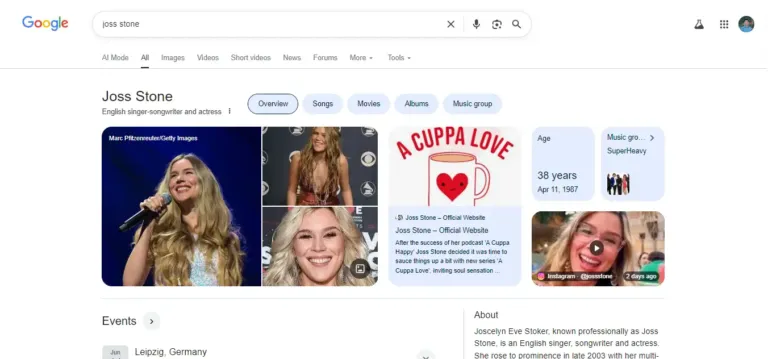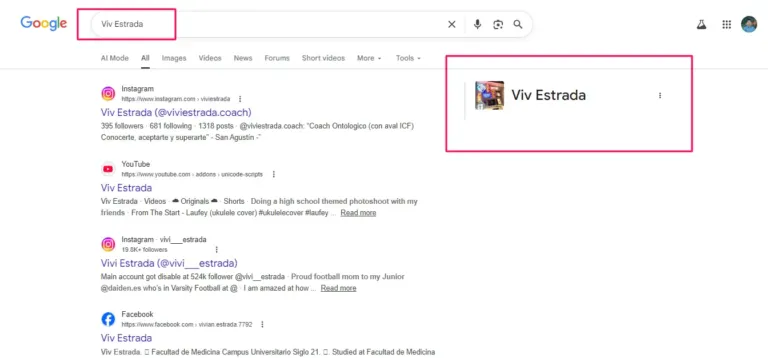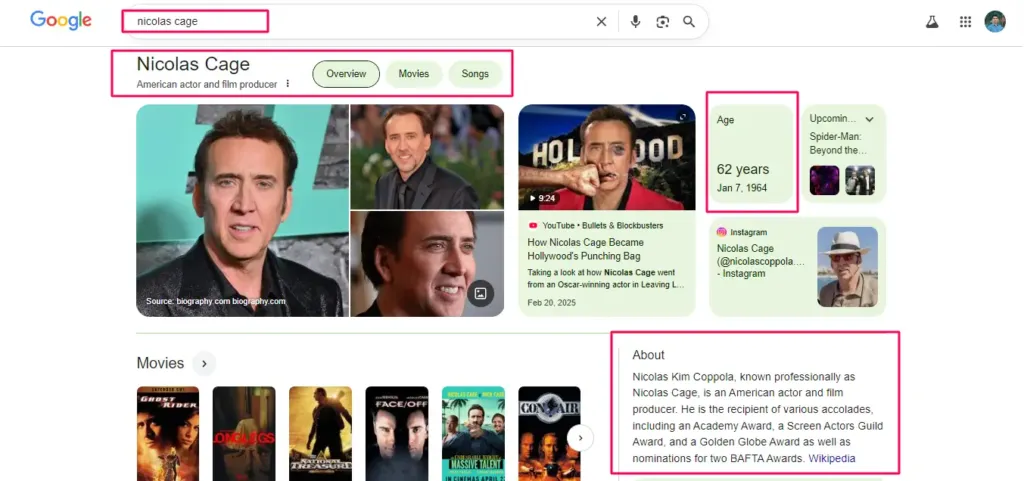
Welcome back to the series. I’m Anup Sarker, and if you’ve been following along, you know that a Google Knowledge Panel is the ultimate “stamp of authority” for your digital brand.
But here is the million-dollar question: How does it actually get there?
Many people think there is a secret team of editors at Google sitting in a room, deciding who is “cool” enough to get a panel. Others think it’s a random glitch in the system. The truth is far more fascinating. It is a complex, automated process driven by one of the most sophisticated AI systems on the planet: The Google Knowledge Graph.
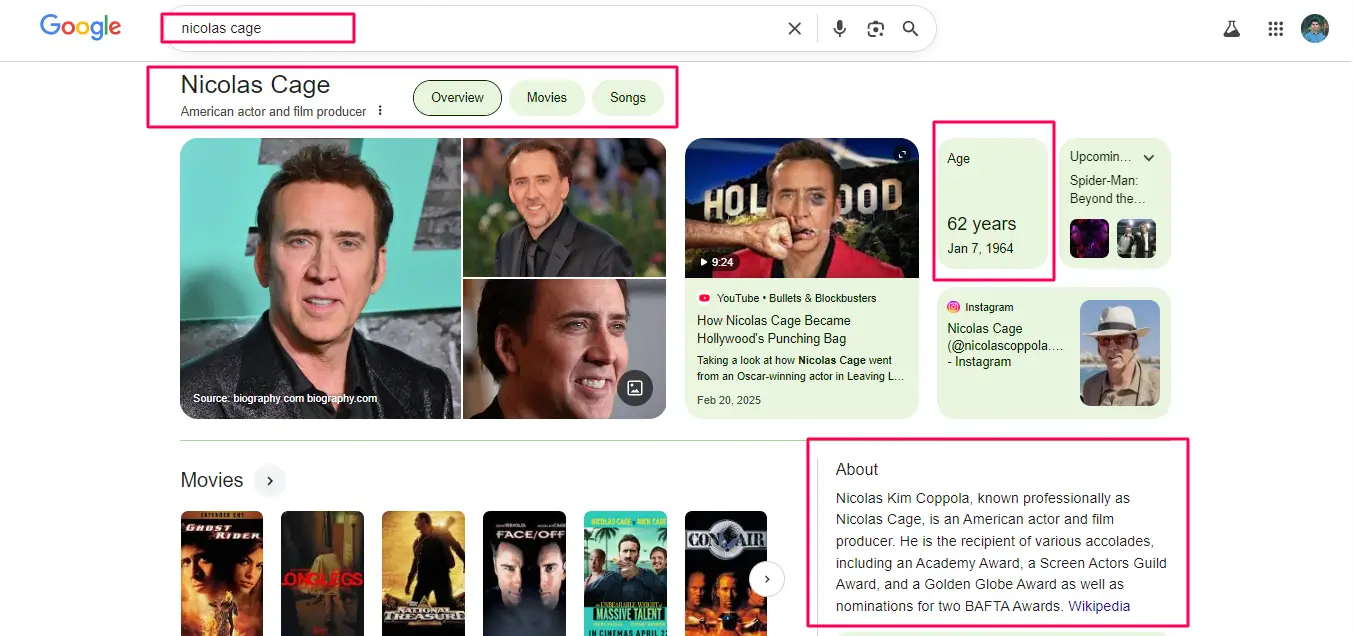
In this deep dive, I’m going to explain the technical “pipes and wires” that connect your digital footprint to a verified Google entity.
1. Things, Not Strings: The Philosophy of the Knowledge Graph
In 2012, Google shifted from being a search engine that looks for words to a search engine that understands the world. They called this shift “Things, not strings.”
- A String: The letters “A-n-u-p S-a-r-k-e-r.”
- A Thing: A human being, a professional, a founder, an author.
The Knowledge Graph is a giant, multi-dimensional map of these “things” (entities) and the relationships between them. Imagine a massive spider web where every “knot” is a person or a company, and every “string” is a fact connecting them.
When I help a client trigger a Knowledge Panel, I am essentially helping Google’s “spider” find the right knots and tie the right strings.
2. The Three Pillars of Panel Creation
Google doesn’t just guess. It follows a strict algorithmic workflow to build your panel. This workflow rests on three pillars: Sourcing, Reconciliation, and Confidence.
Pillar I: Data Sourcing (The Libraries)
Google’s bots are constantly “reading” the internet. They look for data in high-authority “Seed Sites.” These are databases that Google trusts more than a standard blog post.
- Structured Data: Sites like Wikidata, Crunchbase, and MusicBrainz. These sites use a specific format that computers can read easily.
- Unstructured Data: Sites like Wikipedia, news outlets (The New York Times, Forbes), and your official website. Google has to “read” these like a human to extract facts.
Pillar II: Reconciliation (Connecting the Dots)
This is where the science gets tricky. If Google finds an “Anup Sarker” on LinkedIn and an “Anup Sarker” on a local news site, how does it know they are the same person? It looks for Identifiers:
- Do both profiles link to the same website?
- Do they share the same birth date or location?
- Are they mentioned alongside the same colleagues?
This process is called Entity Resolution. If the data is messy or conflicting, the reconciliation fails, and no panel is created. This is why I always emphasize consistency to my clients.
Pillar III: The Confidence Score
Before Google publishes a Knowledge Panel, it assigns a “Confidence Score” to the entity.
- If Google is 20% sure about your facts, you stay a “string” (just a search result).
- If Google is 95% sure about your facts, you become a “thing” (a Knowledge Panel is triggered).
My strategy as an SEO expert is to provide so much high-quality, structured data that Google’s confidence score for you hits that 95% mark.
3. Schema Markup: The Secret Language of Entities
If the Knowledge Graph is the brain, Schema Markup (JSON-LD) is the language it speaks.
When I work on a website, I don’t just write a “About Me” page. I write a piece of code called Schema. This code tells Google’s bot in plain “computer speak” exactly who you are.
Think of it like this: Imagine you are trying to explain your life story to a robot. You could write a long essay (a blog post), or you could give it a structured spreadsheet (Schema). The robot will understand the spreadsheet 100 times faster.
By using Person or Organization Schema on your Entity Home (your website), we are feeding the Knowledge Graph the exact facts we want it to display.
4. The Role of Wikidata: The DNA of the Panel
You’ve heard of Wikipedia, but have you heard of Wikidata? While Wikipedia is for humans to read, Wikidata is for machines. It is a “central storage” for the structured data of the Wikimedia projects.
For many of my clients who aren’t “famous” enough for a Wikipedia page (which has very strict rules), Wikidata is our secret weapon. It allows us to define your “Entity ID” (a unique number like Q12345). Once you have an Entity ID in the Wikidata system, Google can much more easily “wrap” a Knowledge Panel around you.
5. Why Do Panels Disappear or Show Wrong Info?
Since the process is automated, it’s not perfect. I’ve seen panels vanish overnight or show a client’s age incorrectly. This usually happens for two reasons:
- Data Contradiction: You changed your name on LinkedIn but not on your website. Google got confused, its confidence score dropped, and it pulled the panel to avoid showing “fake news.”
- Algorithm Updates: Google occasionally “cleans” its Knowledge Graph, raising the bar for who qualifies as an entity.
This is why “claiming” your panel and having a professional manage your Entity Health is vital. You need someone to monitor the “strings” in the web to make sure they don’t snap.
6. How You Can Influence the Science (As a Non-Celebrity)
You don’t need a million dollars to influence the Knowledge Graph. You need a Systematic Data Strategy.
Here is the “Anup Sarker Method” for triggering the science:
- Establish an Entity Home: A website you own where you are the sole authority.
- Consistency is King: Use the exact same name, title, and bio across every platform.
- Seed the Databases: Get listed on Crunchbase, specialized industry directories, and (if possible) Wikidata.
- Implement JSON-LD: Add deep Schema markup to your website to connect all your social profiles into one “node” for Google.
7. Conclusion: Science over Magic
The Google Knowledge Panel might look like magic, but it is pure data science. It is the result of an algorithm finding enough proof to believe in you.
When you stop “hoping” for a panel and start “engineering” your digital footprint, the results are inevitable. You are essentially teaching Google how to see you.
In the next post of this series, we will move from the “how” to the “benefits.” We will discuss Why every CEO and Business Owner needs a Knowledge Panel and how it directly impacts your bottom line.
Need an Engineer for Your Brand?
Technical SEO and Knowledge Graph optimization are complex. One wrong piece of Schema code can confuse Google for months.
I’ve been mastering the science of Entity SEO since 2019. If you want to skip the trial and error and go straight to a verified Knowledge Panel, I can help you build the technical foundation your brand deserves.
👉 Discover how I can help you trigger your Knowledge Panel here