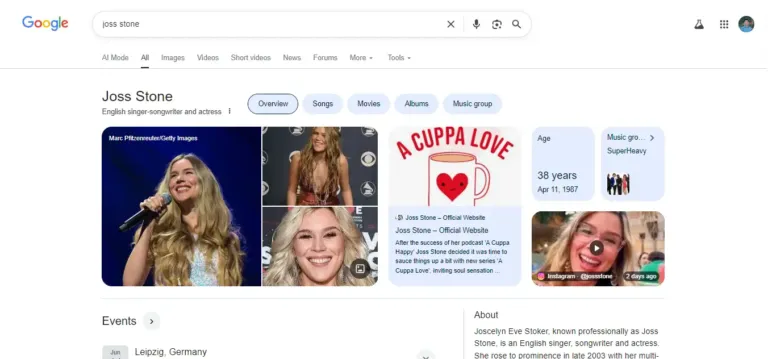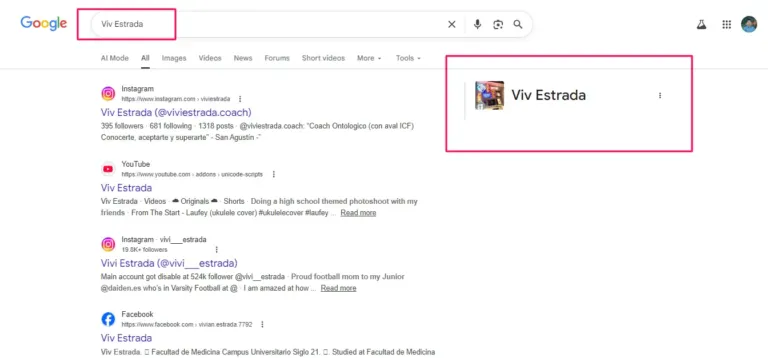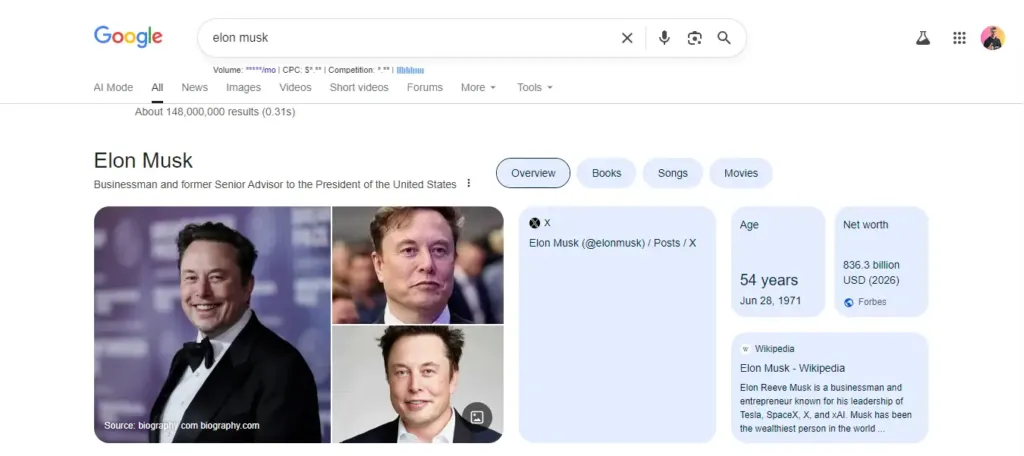
Have you ever typed a famous name into Google perhaps a tech visionary like Elon Musk or a global brand like Apple and noticed that prominent, organized box of information on the right side of the search results?
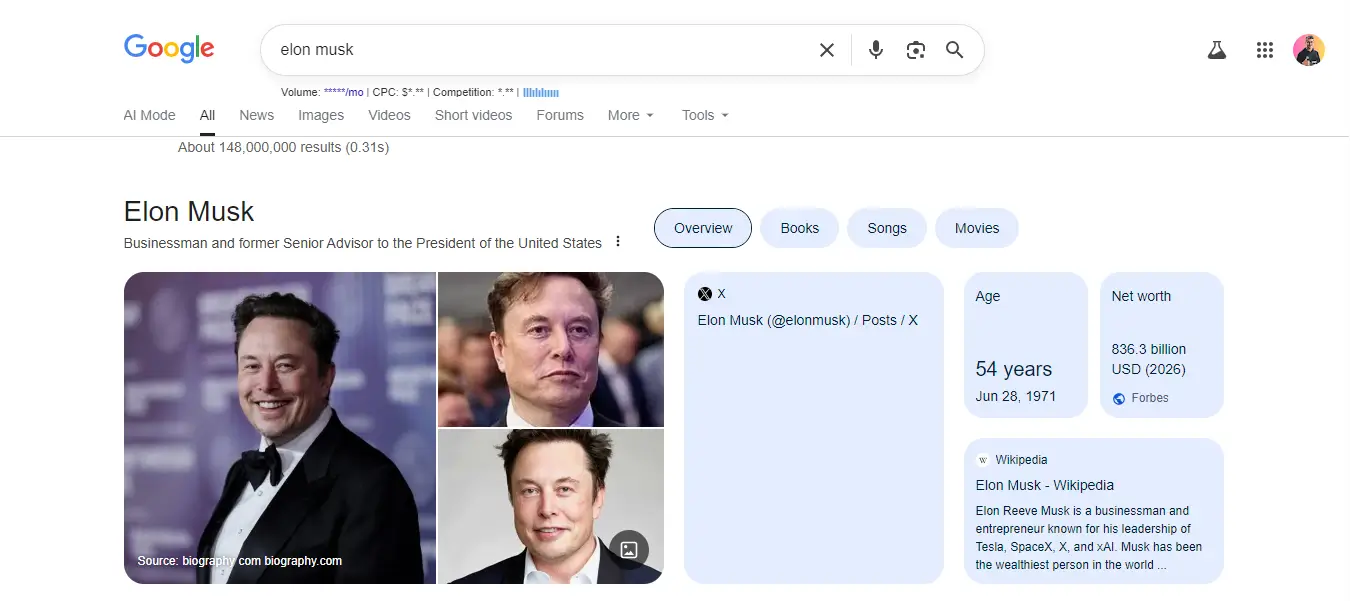
That is the Google Knowledge Panel.
Working as an SEO professional and digital strategist since 2019, I’ve seen the search landscape shift dramatically. We are no longer in an era where “ranking #1” is enough. Today, the goal is Search Engine Dominance. When someone searches for my name, Anup Sarker, or your business name, I want them to see more than just a blue link. I want them to see a verified, authoritative profile that proves we are who we say we are.
In this comprehensive guide, the first in my new series, I’m going to pull back the curtain on what a Knowledge Panel actually is, how it functions in 2026, and why it is the single most important asset for your personal brand or business.
1. Defining the Knowledge Panel (From My Perspective)
At its core, a Google Knowledge Panel is an automatically generated information box that appears when you search for “entities” people, places, organizations, or things – that Google’s algorithm recognizes as significant and verified.
But if you ask me for a more practical definition, I call it your “Digital Passport.” Just as a passport verifies your identity at an international border, a Knowledge Panel verifies your identity to the world’s largest search engine. It tells Google (and your audience) that you aren’t just a random string of text on a website; you are a recognized “entity” in the Knowledge Graph.
The Anatomy of the Panel
When I build these for my clients, I focus on five key areas that Google populates:
- The Identity Header: Your name and your professional title (e.g., “Entrepreneur,” “Musical Artist,” or “CEO”).
- The Biography: A snapshot of your journey, usually pulled from authoritative sources like Wikipedia, LinkedIn, or your official website.
- Social Connectivity: Direct links to your social profiles (Facebook, Instagram, X, LinkedIn, YouTube).
- Key Metadata: Specific facts like your date of birth, education, founders of your company, or books you’ve written.
- Visual Proof: A gallery of images or your official logo that creates an instant visual association with your brand.
2. Behind the Scenes: The Knowledge Graph
To understand the Panel, you have to understand the Knowledge Graph. Think of the Knowledge Graph as Google’s giant, interconnected brain.
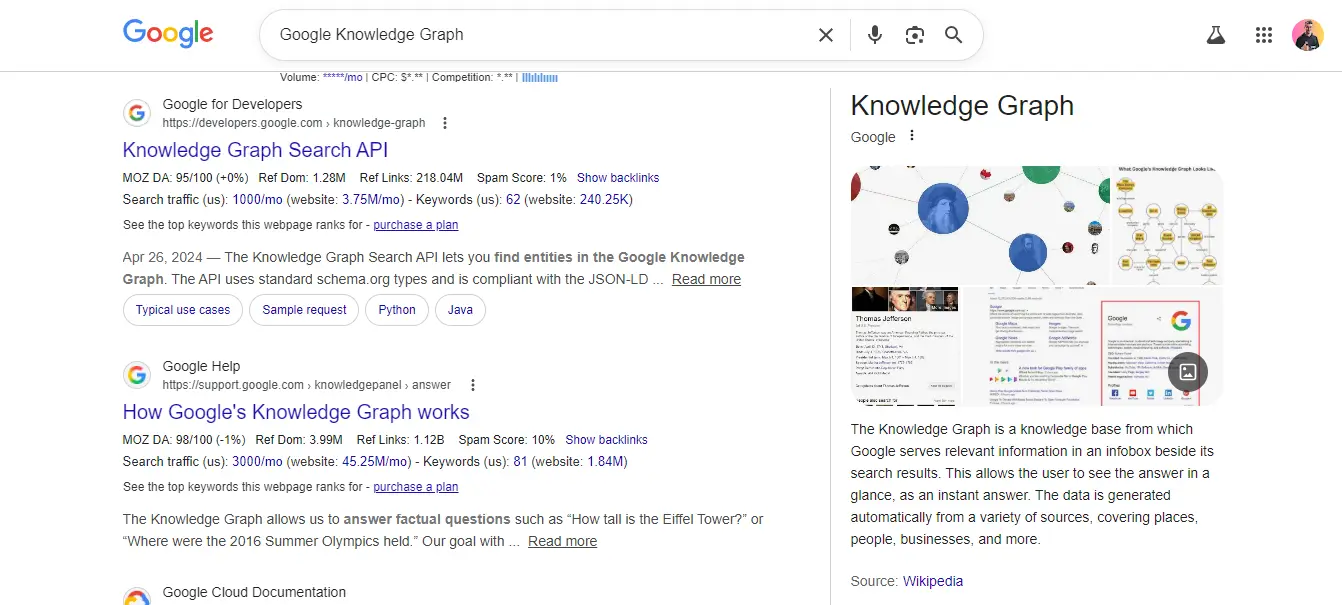
In the early days of SEO, Google was essentially a librarian looking for keywords. If you searched for “Anup Sarker,” it looked for pages where those words appeared. But today, Google is an Intelligence Engine. It understands “strings” vs. “things.”
- A String is just text.
- A Thing is an entity with relationships.
Google knows that Anup Sarker (the entity) is an SEO Expert (the relationship) who lives in Bangladesh (the location). When Google’s “confidence score” for these relationships hits a certain threshold, it triggers the Knowledge Panel.
My job is to help you feed Google the right data so that its confidence in your brand becomes unshakable.
3. Why This Matters in 2026: The “Zero-Click” Era
You might be wondering, “Anup, if people see all my info on Google, will they still click on my website?”
This is a great question. We are currently living in the Zero-Click Search era. Statistics show that over 50% of Google searches end without a click to a website because the user finds the answer directly on the search page.
Instead of fighting this, we must embrace it. If a potential investor or client searches for you and finds a professional Knowledge Panel, you have already “won” the interaction before they even visit your site. It provides:
- Instant Credibility: You don’t have to tell people you’re an expert; Google is telling them for you.
- Brand Real Estate: On a desktop, the panel takes up nearly 40% of the screen. You are effectively “owning” the search results.
- Trust in Mobile Search: On mobile, the panel often appears at the very top. In a fast-paced world, being first is everything.
4. Knowledge Panel vs. Google Business Profile: Don’t Get Them Confused
This is where many of my clients get tripped up. They say, “Anup, I already have a map listing for my office. Isn’t that a Knowledge Panel?”
The answer is no. A Google Business Profile (formerly GMB) is for local SEO. It’s for people looking for a “Digital Marketing Agency in Dhaka” or a “Pizza shop near me.” It requires a physical address and is managed manually by you.
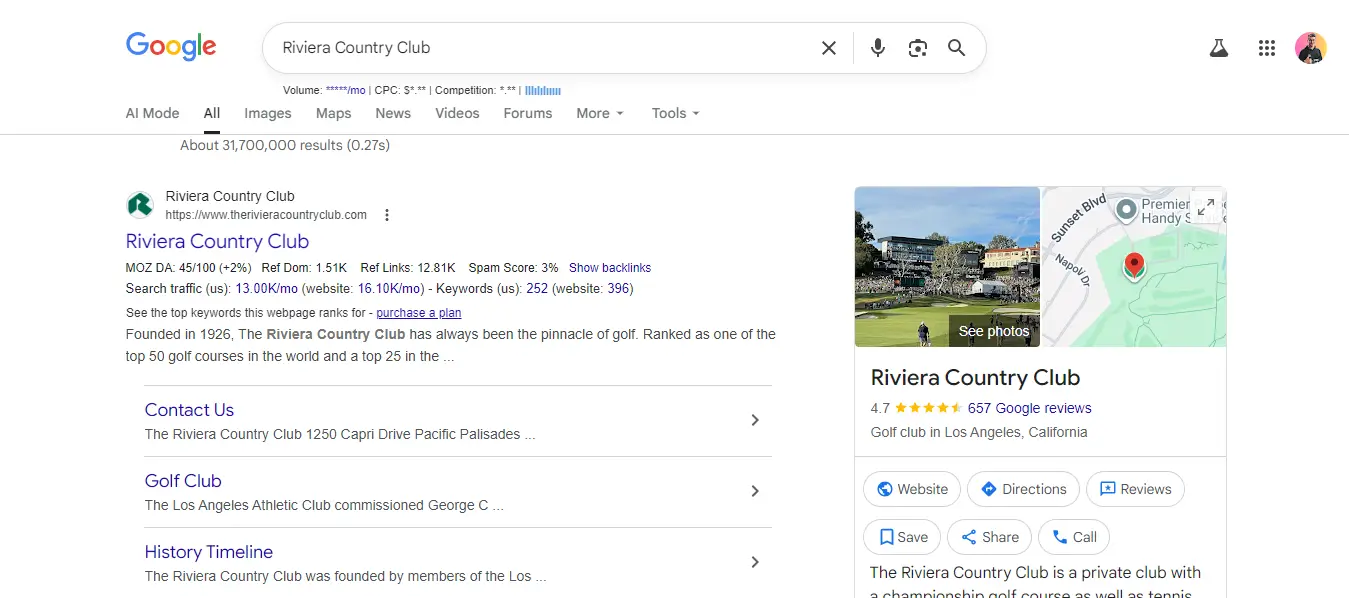
A Knowledge Panel, however, is global. It doesn’t care where your office is; it cares who you are as an entity. You cannot simply “sign up” for a Knowledge Panel. It must be earned through data authority. This is exactly what I specialize in bridging the gap between being a local business and a global authority.
5. The Psychology of the Searcher
Let’s talk about the human element. When a high-ticket client is about to hire you, what is the first thing they do? They “Google” you.
If they see a messy list of random links, some old social media posts, and maybe a mention on a forum, their level of trust stays neutral.
But if they see a verified Google Knowledge Panel, something psychological happens. Subconsciously, they categorize you in the same bracket as authors, celebrities, and industry leaders. It justifies your pricing and your expertise instantly. I have seen clients close deals 30% faster simply because their “Google footprint” looked professional and authoritative.
6. How Google Sourced the Information (And How I Influence It)
Google is a high-tech librarian. It looks at “Trusted Seeds” of information. These include:
- Authority Databases: Wikipedia and Wikidata are the gold standards, but they aren’t the only ones.
- Structured Data (Schema Markup): This is the hidden code I add to your website to talk directly to Google’s bots in a language they understand (JSON-LD).
- Social Proof: Consistent naming and data across all major platforms.
- Press & Media: Mentions in reputable news outlets that confirm your status.
In my upcoming posts, I will teach you how to optimize each of these areas, but for now, understand that a Knowledge Panel is the result of a healthy digital ecosystem.
7. Common Myths I Want to Debunk
As an SEO consultant, I hear a lot of misinformation. Let’s clear the air:
- Myth 1: “Only celebrities get Knowledge Panels.” * Reality: I have helped many “ordinary” business owners and consultants get panels. If you have a footprint, you can have a panel.
- Myth 2: “You can buy a panel directly from Google.” * Reality: Google does not sell them. Anyone claiming to “sell” a panel is likely using black-hat techniques that will get you banned. You pay for the strategy and technical setup, not the panel itself.
- Myth 3: “You need a Wikipedia page.” * Reality: While Wikipedia helps, it is not a requirement. I’ve successfully triggered panels for clients using only their website and social data.
8. Conclusion: Your Authority is Your Currency
In 2026, your reputation is your most valuable currency. A Google Knowledge Panel is the vault that protects and displays that currency.
Whether you are a CEO looking to lead your industry, an artist wanting to be found, or a business owner looking to dominate your niche, understanding the “how” and “why” of the Knowledge Panel is your first step toward digital maturity.
This is only the beginning of our journey. In the next post of this series, I’m going to break down the specific eligibility requirements, so you can find out if you’re ready to claim your spot on the right side of Google.
Let’s Build Your Digital Authority Together
Are you tired of being “just another search result”? If you’re ready to take control of your brand and trigger your own Google Knowledge Panel, I’m here to help. With my specialized Google Knowledge Panel Service, I take care of the technical Schema, data sourcing, and entity verification so you can focus on what you do best.
Check out my service page here to see how we can transform your Google presence.